Let’s Crack CET 2027

Your CET check-up · tap a ring to see yours

Idioms & Phrases – MBA CET questions with solutions

43 questions · CET 2025–2026 · Easy 38 · Medium 5 · Hard 0. Newest paper first. Full papers

Q185EasyCET 2026 · Attempt 2 Slot 2 · Q185

A proverb/idiom is given below. Choose the correct meaning of proverb/idiom from the given alternatives.

To cry wolf

  1. To listen eagerly
  2. To give false alarm
  3. To turn pale
  4. To keep off starvation
  5. To take a difficult task
Show answerHide answer

Answer: B official key

Approach: Idiom meaning — from the fable 'The Boy Who Cried Wolf'.

Solution: 'To cry wolf' = to raise a false alarm. The shepherd boy kept shouting 'Wolf!' when there was none, so no one believed him when the wolf really came.

Why the other options are wrong:
A: To listen eagerly — 'be all ears'.
C: To turn pale — unrelated.
D: To keep off starvation — 'keep the wolf from the door'.
E: To take a difficult task — unrelated.

Cetking shortcut: Don't confuse 'cry wolf' (false alarm) with 'keep the wolf from the door' (avoid hunger).

Answer: B

Q186EasyCET 2026 · Attempt 2 Slot 2 · Q186

A proverb/idiom is given below. Choose the correct meaning of proverb/idiom from the given alternatives.

throw down the gauntlet

  1. To refer to
  2. To issue a challenge
  3. To raise objections
  4. To be discussed
  5. To put someone at ease
Show answerHide answer

Answer: B official key

Approach: Idiom meaning — knights' custom.

Solution: 'Throw down the gauntlet' = to issue a challenge. A medieval knight threw his gauntlet (armoured glove) on the ground to challenge an opponent; picking it up meant accepting.

Why the other options are wrong:
A: To refer to — unrelated.
C: To raise objections — not a challenge to compete.
D: To be discussed — 'be on the table'.
E: To put someone at ease — opposite in spirit.

Cetking shortcut: Throw down = challenge; take up the gauntlet = accept the challenge.

Answer: B

Q187EasyCET 2026 · Attempt 2 Slot 2 · Q187

A proverb/idiom is given below. Choose the correct meaning of proverb/idiom from the given alternatives.

A black sheep

  1. an odd or disreputable member of a group
  2. An unlucky person
  3. An ugly person
  4. A partner who takes no share of the profits
  5. A worthy fellow
Show answerHide answer

Answer: A official key

Approach: Idiom meaning.

Solution: 'A black sheep' = a member of a family or group who is regarded as odd, a disgrace, or disreputable compared with the rest.

Why the other options are wrong:
B: An unlucky person — 'jinx'.
C: An ugly person — literal misreading.
D: A partner taking no profits — 'sleeping partner' is close but different.
E: A worthy fellow — opposite.

Answer: A

Q188EasyCET 2026 · Attempt 2 Slot 2 · Q188

A proverb/idiom is given below. Choose the correct meaning of proverb/idiom from the given alternatives.

To smell a rat

  1. To see signs of plague epidemic
  2. To get bad smell of a bad dead rat
  3. To suspect foul dealings
  4. To be in a bad mood
  5. To teach someone a lesson
Show answerHide answer

Answer: C official key

Approach: Idiom meaning.

Solution: 'To smell a rat' = to suspect that something is wrong — trickery, deceit or foul dealing.

Why the other options are wrong:
A, B: Literal readings about rats/plague.
D: To be in a bad mood — unrelated.
E: To teach someone a lesson — unrelated.

Cetking shortcut: Literal options in idiom questions are almost always traps.

Answer: C

Q189EasyCET 2026 · Attempt 2 Slot 2 · Q189

A proverb/idiom is given below. Choose the correct meaning of proverb/idiom from the given alternatives.

To hit the nail right on the head

  1. To do the right thing
  2. To destroy one's reputation
  3. To announce one's fixed views
  4. To look at one steadily
  5. To judge by appearance
Show answerHide answer

Answer: A official key

Approach: Idiom meaning.

Solution: 'To hit the nail (right) on the head' = to say or do exactly the right thing; to describe a situation or cause precisely. Among the options, 'to do the right thing' carries this sense.

Why the other options are wrong:
B: To destroy one's reputation — unrelated.
C: To announce fixed views — 'lay down the law'.
D: To look steadily — 'stare'.
E: To judge by appearance — unrelated.

Answer: A

Q193EasyCET 2026 · Attempt 2 Slot 1 · Q193

Choose the sentence with correct idiom usage:

A. She decided to bite the bullet and accept the challenging assignment.
B. She decided to bite the dust and accept the challenging assignment.
C. She decided to hit the nail and accept the challenging assignment.
D. She decided to break the ice and accept the challenging assignment.
E. She decided to face the music and accept the challenging assignment.

  1. She decided to bite the bullet and accept the challenging assignment.
  2. She decided to bite the dust and accept the challenging assignment.
  3. She decided to hit the nail and accept the challenging assignment.
  4. She decided to break the ice and accept the challenging assignment.
  5. She decided to face the music and accept the challenging assignment.
Show answerHide answer

Answer: A official key

Approach: Idiom meaning — match the idiom to 'accept a challenging assignment'.

Solution: 'Bite the bullet' = to force oneself to face a difficult situation bravely. 'She decided to bite the bullet and accept the challenging assignment' — fits perfectly (A).

Why the other options are wrong:
B: 'Bite the dust' = to die/fail — wrong.
C: 'Hit the nail on the head' (incomplete here) = to be exactly right — wrong.
D: 'Break the ice' = ease social tension — wrong.
E: 'Face the music' = face criticism/punishment for one's own mistakes — wrong context.

Answer: A

Q194EasyCET 2026 · Attempt 2 Slot 1 · Q194

Choose the sentence with the correct idiom usage:

A. Despite criticism, he decided to cross the Rubicon and launch his startup.
B. Despite criticism, he decided to kick the bucket and launch his startup.
C. Despite criticism, he decided to spill the beans and launch his startup.
D. Despite criticism, he decided to break the ice and launch his startup.
E. Despite criticism, he decided to beat around the bush and launch his startup.

  1. Despite criticism, he decided to cross the Rubicon and launch his startup.
  2. Despite criticism, he decided to kick the bucket and launch his startup.
  3. Despite criticism, he decided to spill the beans and launch his startup.
  4. Despite criticism, he decided to break the ice and launch his startup.
  5. Despite criticism, he decided to beat around the bush and launch his startup.
Show answerHide answer

Answer: A official key

Approach: Idiom meaning — the sentence describes a bold, irreversible decision despite criticism.

Solution: 'Cross the Rubicon' (from Julius Caesar) = to pass a point of no return. 'Despite criticism, he decided to cross the Rubicon and launch his startup' — a decisive, irreversible step: A.

Why the other options are wrong:
B: 'Kick the bucket' = to die.
C: 'Spill the beans' = reveal a secret.
D: 'Break the ice' = ease initial awkwardness.
E: 'Beat around the bush' = avoid the main point.

Answer: A

Q195EasyCET 2026 · Attempt 2 Slot 1 · Q195

Choose the sentence with the correct idiom usage:

A. The committee tried to sweep the issue under the carpet by appointing an independent inquiry.
B. The committee tried to sweep the issue under the carpet by openly addressing it in public.
C. The committee tried to sweep the issue under the carpet by ignoring it completely.
D. The committee tried to sweep the issue under the carpet by exposing the corruption.
E. The committee tried to sweep the issue under the carpet by bringing media attention to it.

  1. The committee tried to sweep the issue under the carpet by appointing an independent inquiry.
  2. The committee tried to sweep the issue under the carpet by openly addressing it in public.
  3. The committee tried to sweep the issue under the carpet by ignoring it completely.
  4. The committee tried to sweep the issue under the carpet by exposing the corruption.
  5. The committee tried to sweep the issue under the carpet by bringing media attention to it.
Show answerHide answer

Answer: C official key

Approach: Same idiom in every option — find the means that matches its meaning.

Solution: 'Sweep the issue under the carpet' = conceal or ignore a problem hoping it goes unnoticed. Only 'by ignoring it completely' (C) describes that.

Why the other options are wrong:
A: Appointing an independent inquiry brings the issue out — contradiction.
B: Openly addressing it is the opposite.
D: Exposing corruption is the opposite.
E: Bringing media attention is the opposite.

Cetking shortcut: When the idiom is fixed, test only the 'by…' ending — four endings expose, one hides.

Answer: C

Q196EasyCET 2026 · Attempt 2 Slot 1 · Q196

Choose the sentence with the correct idiom usage:

A. The intern let the cat out of the bag by accidentally revealing the merger details.
B. The intern let the cat out of the bag by carefully safeguarding sensitive information.
C. The intern let the cat out of the bag by refusing to comment on the issue.
D. The intern let the cat out of the bag by misleading the reporters.
E. The intern let the cat out of the bag by delaying the announcement.

  1. The intern let the cat out of the bag by accidentally revealing the merger details.
  2. The intern let the cat out of the bag by carefully safeguarding sensitive information.
  3. The intern let the cat out of the bag by refusing to comment on the issue.
  4. The intern let the cat out of the bag by misleading the reporters.
  5. The intern let the cat out of the bag by delaying the announcement.
Show answerHide answer

Answer: A official key

Approach: Same idiom in every option — find the ending that matches its meaning.

Solution: 'Let the cat out of the bag' = disclose a secret carelessly or prematurely. 'By accidentally revealing the merger details' (A) is exactly that.

Why the other options are wrong:
B: Safeguarding information is the opposite.
C: Refusing to comment reveals nothing.
D: Misleading reporters is deception, not revealing a secret.
E: Delaying an announcement reveals nothing.

Answer: A

Q197EasyCET 2026 · Attempt 2 Slot 1 · Q197

Choose the sentence with the correct idiom usage:

A. The negotiator kept moving the goalposts by demanding clarity.
B. The negotiator kept moving the goalposts by changing conditions repeatedly.
C. The negotiator kept moving the goalposts by agreeing to fixed terms.
D. The negotiator kept moving the goalposts by reaching a compromise.
E. The negotiator kept moving the goalposts by concluding talks early.

  1. The negotiator kept moving the goalposts by demanding clarity.
  2. The negotiator kept moving the goalposts by changing conditions repeatedly.
  3. The negotiator kept moving the goalposts by agreeing to fixed terms.
  4. The negotiator kept moving the goalposts by reaching a compromise.
  5. The negotiator kept moving the goalposts by concluding talks early.
Show answerHide answer

Answer: B official key

Approach: Same idiom in every option — match the 'by…' ending.

Solution: 'Moving the goalposts' = changing the criteria/conditions mid-way so the other side cannot succeed. 'By changing conditions repeatedly' (B) fits exactly.

Why the other options are wrong:
A: Demanding clarity does not change the rules.
C: Agreeing to fixed terms is the opposite.
D: Reaching a compromise is cooperation, not shifting terms.
E: Concluding talks early is unrelated.

Answer: B

Q193EasyCET 2026 · Slot 5 · Q193

For the following sentence five alternatives are given. You are required to choose the correct meaning of the idiom or phrase given bold and underlined in the sentence.

Online scams often disguise themselves as wolves in sheep's clothing, promising rewards while stealing information.

  1. funny
  2. sensitive
  3. strange
  4. quarrelsome
  5. imposter
Show answerHide answer

Answer: E official key

Approach: Idiom meaning, supported by context.

Solution: Wolf in sheep's clothing = a dangerous person or thing pretending to be harmless. Scams 'promising rewards while stealing information' fit exactly — they are imposters.

Why the other options are wrong:
A Funny, B Sensitive, C Strange, D Quarrelsome — none conveys deception or false appearance.

Answer: E

Q194MediumCET 2026 · Slot 5 · Q194

In question, a sentence contains an idiom/phrase in bold.
Choose the option that most accurately conveys the meaning of the idiom as used in the sentence.

The CEO's claim that the crisis would resolve itself was dismissed as whistling in the dark.

  1. Making optimistic predictions based on data
  2. Expressing confidence to motivate others
  3. Pretending confidence to hide fear or uncertainty
  4. Taking a bold stand despite opposition
  5. Offering reassurance grounded in experience
Show answerHide answer

Answer: C official key

Approach: Idiom meaning; 'dismissed as' signals a negative sense.

Solution: Whistling in the dark = acting confident to keep one's courage up when actually afraid or unsure. The CEO's claim was dismissed because it was baseless bravado, i.e. pretending confidence to hide fear or uncertainty.

Why the other options are wrong:
A, E — 'based on data/grounded in experience' contradicts the baseless sense.
B — ignores the fear that the idiom implies.
D — about defiance, not false confidence.

Answer: C

Q195MediumCET 2026 · Slot 5 · Q195

Identify the words that are similar in meaning to the word/idiom/phrase in bold.
The options do not necessarily need to be grammatically correct.

He's a versatile player, but under the new coach, he was neither fish nor fowl, unable to assert himself on the pitch.

  1. Clear
  2. Useless
  3. Ambiguous
  4. Closed
  5. Introvert
Show answerHide answer

Answer: C official key

Approach: Idiom meaning, checked against the context.

Solution: Neither fish nor fowl = not clearly one thing or another; hard to classify. A versatile player with no clear role under the new coach is ambiguous, unable to assert himself.

Why the other options are wrong:
A Clear — the opposite.
B Useless — too strong; the idiom is about lack of a clear identity.
D Closed, E Introvert — unrelated to the idiom.

Answer: C

Q158EasyCET 2026 · Slot 4 · Q158

DIRECTION for the question: In the following question, an idiomatic expression / a proverb has been given, followed by alternatives. Choose the one which best expresses the meaning of the given idiom/ proverb.

A hornet’s nest.

  1. a comfortable position
  2. an unpleasant situation
  3. among roses
  4. a dilemma
  5. keeping the peace
Show answerHide answer

Answer: B official key

Approach: Idiom meaning: picture the literal image.

Solution: A hornet's nest is full of angry, stinging insects; disturbing it brings trouble. Figuratively, 'a hornet's nest' = an unpleasant, troublesome situation full of hostility.

Why the other options are wrong:
A A comfortable position / C Among roses / E Keeping the peace: all pleasant, opposite meaning.
D A dilemma: a choice between two bad options; the idiom is about trouble and anger, not choosing.

Answer: B

Q159MediumCET 2026 · Slot 4 · Q159

DIRECTION for the question: In the following question, an idiomatic expression / a proverb has been given, followed by alternatives. Choose the one which best expresses the meaning of the given idiom/ proverb.

Will o’ the wisp

  1. Anything which eludes or deceives
  2. To act in a childish way
  3. To act in a foolish way
  4. To have desires unbacked by efforts
  5. Verity
Show answerHide answer

Answer: A official key

Approach: Idiom meaning from its origin.

Solution: A will-o'-the-wisp is a flickering light seen over marshes at night; travellers who followed it got lost. Figuratively it means anything that deludes, deceives or keeps escaping one's grasp, i.e. 'anything which eludes or deceives'.

Why the other options are wrong:
B / C: acting childishly or foolishly is not the meaning.
D Desires unbacked by efforts: that is 'wishful thinking', a different idea.
E Verity: means truth, the opposite of deception.

Answer: A

Q160EasyCET 2026 · Slot 4 · Q160

DIRECTION for the question: In the following question, an idiomatic expression / a proverb has been given, followed by alternatives. Choose the one which best expresses the meaning of the given idiom/ proverb.

Adam’s ale

  1. Grace
  2. Pleasure
  3. Water
  4. Juice
  5. Brew
Show answerHide answer

Answer: C official key

Approach: Idiom meaning: the first man had only one drink.

Solution: Adam, the first man, had nothing to drink but water. So 'Adam's ale' (also 'Adam's wine') = WATER.

Why the other options are wrong:
A Grace / B Pleasure: abstract qualities, not drinks.
D Juice / E Brew: real drinks, but the word 'ale' is a trap; the phrase means plain water.

Answer: C

Q179EasyCET 2026 · Slot 4 · Q179

DIRECTION for the question: In the following question, an idiomatic expression / a proverb has been given, followed by alternatives. Choose the one which best expresses the meaning of the given idiom/ proverb.

French leave

  1. Long absence
  2. Leave on the pretext of illness
  3. Casual leave
  4. Absence without permission
  5. Holiday
Show answerHide answer

Answer: D official key

Approach: Idiom meaning.

Solution: 'French leave' comes from the 18th-century custom of leaving a party without saying goodbye to the host. It now means being absent from work or duty WITHOUT PERMISSION.

Why the other options are wrong:
A Long absence: length is not the point; lack of permission is.
B Leave on the pretext of illness: that is a false excuse, but permission is still sought.
C Casual leave: an official, sanctioned leave.
E Holiday: an approved break.

Answer: D

Q180EasyCET 2026 · Slot 4 · Q180

DIRECTION for the question: In the following question, an idiomatic expression / a proverb has been given, followed by alternatives. Choose the one which best expresses the meaning of the given idiom/ proverb.

A storm in a teacup

  1. Unexpected event
  2. A danger signal
  3. Much excitement over something trivial
  4. A great noise
  5. Expected event
Show answerHide answer

Answer: C official key

Approach: Idiom meaning: picture a storm inside a tiny cup.

Solution: A storm is huge, a teacup is tiny. So 'a storm in a teacup' = a big fuss or much excitement over something trivial.

Why the other options are wrong:
A Unexpected event / E Expected event: the idiom is not about timing.
B A danger signal: no warning meaning.
D A great noise: captures the fuss but not the triviality of the cause.

Answer: C

Q196EasyCET 2026 · Slot 3 · Q196

Instructions: Choose the correct meaning of the proverb/idiom from the alternatives given below.

The meaning of 'Above board' is:

  1. Secretive
  2. Dishonest
  3. Honest
  4. Careless
  5. Confusing
Show answerHide answer

Answer: C official key

Approach: Idiom meaning.

Solution: Above board = done openly and honestly, with nothing hidden (from card players keeping hands above the table). E.g. 'The deal was completely above board.'

Why the other options are wrong:
A, B: secretive/dishonest — opposites.
D, E: careless/confusing — unrelated.

Answer: C

Q198EasyCET 2026 · Slot 3 · Q198

Instructions: Choose the correct meaning of the proverb/idiom from the alternatives given below.

'All agog' refers to being:

  1. Angry and upset
  2. Bored and tired
  3. Silent and calm
  4. In a state of excitement
  5. Afraid and nervous
Show answerHide answer

Answer: D official key

Approach: Idiom meaning.

Solution: All agog = in a state of eager excitement or curiosity. E.g. 'The children were all agog at the circus.'

Why the other options are wrong:
A, E: angry / afraid — wrong emotion.
B, C: bored / calm — opposite of excitement.

Answer: D

Q199EasyCET 2026 · Slot 3 · Q199

Instructions: Choose the correct meaning of the proverb/idiom from the alternatives given below.

The expression 'Hair standing on end' shows:

  1. Happiness
  2. Confidence
  3. Laziness
  4. A sign of fear and surprise
  5. Pride
Show answerHide answer

Answer: D official key

Approach: Idiom meaning.

Solution: (Make) one's hair stand on end = to cause great fear, horror or shock. E.g. 'The ghost story made my hair stand on end.'

Why the other options are wrong:
A, B, E: happiness, confidence, pride — positive feelings; wrong.
C: laziness — unrelated.

Answer: D

Q200EasyCET 2026 · Slot 3 · Q200

Instructions: Choose the correct meaning of the proverb/idiom from the alternatives given below.

'Throw in the towel' means:

  1. To surrender or give up
  2. To start a new journey
  3. To criticize someone harshly
  4. To celebrate victory
  5. To hide one’s true feelings
Show answerHide answer

Answer: A official key

Approach: Idiom meaning.

Solution: Throw in the towel (from boxing, where a towel thrown into the ring signals surrender) = to give up, admit defeat.

Why the other options are wrong:
B: start a new journey — unrelated.
C: criticise harshly — unrelated.
D: celebrate victory — opposite.
E: hide feelings — unrelated.

Answer: A

Q198EasyCET 2026 · Slot 2 · Q198

IDIOM

In the question an idiom is given, select the correct interpretation of the idiom from the given options below

“Throw in the towel”

  1. To surrender to temptation
  2. To accept defeat
  3. To give up a job
  4. To make a sacrifice
  5. To throw the towel to someone
Show answerHide answer

Answer: B official key

Approach: Idiom meaning recall.

Solution: In boxing, a trainer throws a towel into the ring to concede the fight.
So 'throw in the towel' = admit defeat, give up.

Why the other options are wrong:
A — temptation is unrelated.
C — too narrow; it is not about jobs.
D — sacrifice is a different idea.
E — literal reading.

Cetking shortcut: Literal options (E) are almost never the meaning of an idiom.

Answer: B

Q199EasyCET 2026 · Slot 2 · Q199

IDIOM

In the question an idiom is given, select the correct interpretation of the idiom from the given options below

“Break the ice”

  1. To start a fight
  2. To solve a difficult problem
  3. To clear misunderstanding
  4. To clear the ice on the road
  5. To overcome social awkwardness
Show answerHide answer

Answer: E official key

Approach: Idiom meaning recall.

Solution: 'Break the ice' = do or say something to relieve tension and get people talking, especially at a first meeting.
→ to overcome social awkwardness.

Why the other options are wrong:
A — starting a fight is the opposite.
B — problem-solving is 'crack the problem'.
C — clearing misunderstanding is 'clear the air'.
D — literal reading.

Cetking shortcut: Pair it with its cousins: 'clear the air' (misunderstanding) vs 'break the ice' (awkwardness).

Answer: E

Q200EasyCET 2026 · Slot 2 · Q200

IDIOM

In the question an idiom is given, select the correct interpretation of the idiom from the given options below

"Play the devil’s advocate"

  1. To argue that something bad is coming, even though it’s calm right now
  2. To hear news of something that is a secret
  3. To follow a trend, and do what everyone else is doing
  4. To defend the guilty person by arguing on his behalf
  5. To argue the opposite of what you believe, just for the sake of argument
Show answerHide answer

Answer: E official key

Approach: Idiom meaning recall.

Solution: Devil's advocate = someone who takes the opposing view for the sake of argument or to test the strength of an idea.
→ option E.

Why the other options are wrong:
A — that is 'calm before the storm'.
B — that is 'hear through the grapevine'.
C — that is 'jump on the bandwagon'.
D — literal reading of 'advocate'.

Cetking shortcut: Options A–C are definitions of other well-known idioms — eliminate them quickly.

Answer: E

Q171EasyCET 2026 · Slot 1 · Q171

In the following question, an idiom is used in a sentence. Choose the option that shows the correct meaning of the idiom.

After weeks of negotiation, the lawyer decided to play hardball to get a better settlement.

A. The lawyer used aggressive tactics.
B. The lawyer was being lenient.
C. The lawyer avoided confrontation.
D. The lawyer postponed the negotiation.
E. The lawyer revealed all secrets.

  1. The lawyer used aggressive tactics.
  2. The lawyer was being lenient.
  3. The lawyer avoided confrontation.
  4. The lawyer postponed the negotiation.
  5. The lawyer revealed all secrets.
Show answerHide answer

Answer: A official key

Approach: Idiom meaning — "play hardball".

Solution: "play hardball" means to act in a tough, aggressive, uncompromising way to get what you want. A lawyer seeking a better settlement after weeks of talks turns tough — he used aggressive tactics.

Why the other options are wrong:
B: Lenient is the opposite.
C: Avoiding confrontation is the opposite.
D: Nothing is postponed.
E: Revealing secrets is unrelated.

Cetking shortcut: Context "to get a better settlement" already points to a forceful move — only A is forceful.

Answer: A

Q172EasyCET 2026 · Slot 1 · Q172

In the following question, an idiom is used in a sentence. Choose the option that shows the correct meaning of the idiom.

Sentence:
He tried to beat around the bush instead of giving a straight answer to the manager’s question.

A. He avoided giving a direct answer.
B. He gave a clear and direct answer.
C. He played aggressively.
D. He revealed a secret.
E. He made a reckless decision.

  1. He avoided giving a direct answer.
  2. He gave a clear and direct answer.
  3. He played aggressively.
  4. He revealed a secret.
  5. He made a reckless decision.
Show answerHide answer

Answer: A official key

Approach: Idiom meaning — "beat around the bush".

Solution: "beat around the bush" means to avoid talking about the main point directly. "instead of giving a straight answer" confirms it: he avoided giving a direct answer.

Why the other options are wrong:
B: Clear and direct answer is the opposite.
C: Playing aggressively is "play hardball", not this idiom.
D: No secret is revealed.
E: No decision is made.

Cetking shortcut: The sentence itself contrasts the idiom with "a straight answer" — pick its opposite.

Answer: A

Q173EasyCET 2026 · Slot 1 · Q173

In the following question, a part of the sentence is highlighted. Choose the option that shows the correct meaning of the phrase.

Sentence:
The manager asked the team to pull their socks up before the deadline.

A. work harder
B. relax
C. slow down
D. take a break
E. quit

  1. work harder
  2. relax
  3. slow down
  4. take a break
  5. quit
Show answerHide answer

Answer: A official key

Approach: Idiom meaning — "pull one's socks up".

Solution: "pull one's socks up" means to make a greater effort and improve one's performance. A manager says it to a team before a deadline — work harder.

Why the other options are wrong:
B: Relax is the opposite.
C: Slow down is the opposite.
D: Taking a break is the opposite.
E: Quit is unrelated.

Answer: A

Q174EasyCET 2026 · Slot 1 · Q174

In the following question, a part of the sentence is highlighted. Choose the option that shows the correct meaning of the phrase.

Sentence:
During the debate, he decided to take the bull by the horns and address the controversial issue directly.

A. avoid the issue
B. confront the issue boldly
C. complain about the issue
D. delay taking action
E. ignore the problem

  1. avoid the issue
  2. confront the issue boldly
  3. complain about the issue
  4. delay taking action
  5. ignore the problem
Show answerHide answer

Answer: B official key

Approach: Idiom meaning — "take the bull by the horns".

Solution: "take the bull by the horns" means to face a difficult situation boldly and directly. "address the controversial issue directly" confirms: confront the issue boldly.

Why the other options are wrong:
A: Avoiding is the opposite.
C: Complaining is not confronting.
D: Delaying is the opposite.
E: Ignoring is the opposite.

Answer: B

Q175EasyCET 2026 · Slot 1 · Q175

In the following question, a part of the sentence is highlighted. Choose the option that shows the correct meaning of the phrase.

Sentence:
The CEO warned the staff not to rest on their laurels after the successful project.

A. avoid becoming complacent
B. stop working immediately
C. relax and enjoy success
D. compete with others
E. boast about achievements

  1. avoid becoming complacent
  2. stop working immediately
  3. relax and enjoy success
  4. compete with others
  5. boast about achievements
Show answerHide answer

Answer: A official key

Approach: Idiom meaning — "rest on one's laurels".

Solution: "rest on one's laurels" means to be satisfied with past success and stop trying, i.e. become complacent. "Not to rest on their laurels" after a success = avoid becoming complacent.

Why the other options are wrong:
B: Stopping work immediately is too literal.
C: Relaxing and enjoying success is what resting on laurels is — the CEO warns against it.
D: Competing is unrelated.
E: Boasting is a different idea.

Answer: A

Q193EasyCET 2025 · Slot 6 · Q193
Find the most appropriate meaning of the given idiom “Work against the clock”.
  1. Work late in the night
  2. Work in great hurry
  3. work against all problems
  4. work with concentration
  5. work with dedication
Show answerHide answer

Answer: B

Approach: Idiom meaning.

Solution: 'Work against the clock' = work very fast to finish something before a deadline. So 'work in great hurry'.

Why the other options are wrong:
A: working late at night is not implied.
C: 'against all problems' — takes 'against' literally.
D, E: concentration / dedication may accompany it but are not the meaning — the core is time pressure.

Cetking shortcut: 'Clock' = time pressure → hurry.

Answer: B

Q176EasyCET 2025 · Slot 4 · Q176
A proverb/idiom is given below together with their meanings. Choose the correct meaning of the proverb/idiom. To make clean breast of
Figure for MBA CET 2025 Slot 4 question 176
  1. Option A
  2. Option B
  3. Option C
  4. Option D
  5. Option E
Show answerHide answer

Answer: C

Approach: Idiom meaning.

Solution: To make a clean breast of something = to confess it fully and frankly — "to confess without reserve" (option C).

Why the other options are wrong:
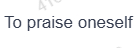
A To gain prominence / B To praise oneself / D To destroy before it blooms / E To appreciate someone: none relate to confessing.

Answer: C

Q177MediumCET 2025 · Slot 4 · Q177
A proverb/idiom is given below together with their meanings. Choose the correct meaning of the proverb/idiom. To catch a tartar
Figure for MBA CET 2025 Slot 4 question 177
  1. Option A
  2. Option B
  3. Option C
  4. Option D
  5. Option E
Show answerHide answer

Answer: D

Approach: Idiom meaning.

Solution: To catch a tartar = to tackle someone who turns out to be far too strong for you; to meet more than your match. That is option D, "To deal with a person who is more than one's match".

Why the other options are wrong:
A To trap wanted criminal with great difficulty / B To catch a dangerous person: literal readings of "catch"; the idiom is about the catcher being overpowered.
C To meet with disaster: too general.
E To meet an old friend: unrelated.

Cetking shortcut: Story behind it: a soldier shouts he has caught a Tartar, but the Tartar will not let him go — the captor is the one trapped.

Answer: D

Q178EasyCET 2025 · Slot 4 · Q178
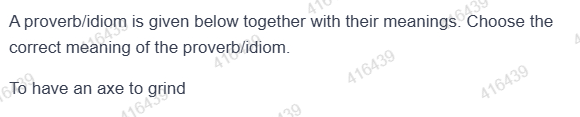
A proverb/idiom is given below together with their meanings. Choose the correct meaning of the proverb/idiom. To have an axe to grind
Figure for MBA CET 2025 Slot 4 question 178
  1. Option A
  2. Option B
  3. Option C
  4. Option D
  5. Option E
Show answerHide answer

Answer: D

Approach: Idiom meaning.

Solution: To have an axe to grind = to have a private, selfish motive behind what one does — "a private end to serve" (option D).

Why the other options are wrong:
A To fail to arouse interest / B To have no result: unrelated.
C To work for both sides: that is double-dealing.
E To be unbiased: the opposite — an axe to grind means bias.

Answer: D

Q179EasyCET 2025 · Slot 4 · Q179
A proverb/idiom is given below together with their meanings. Choose the correct meaning of the proverb/idiom. To pick holes
Figure for MBA CET 2025 Slot 4 question 179
  1. Option A
  2. Option B
  3. Option C
  4. Option D
  5. Option E
Show answerHide answer

Answer: C

Approach: Idiom meaning.

Solution: To pick holes (in something) = to find faults, to criticise — "to criticise someone" (option C).

Why the other options are wrong:
A To find some reason to quarrel: "pick a quarrel", a different idiom.
B To destroy something / D To cut some part of an item: literal readings.
E To find escape routes: unrelated.

Answer: C

Q180EasyCET 2025 · Slot 4 · Q180
A proverb/idiom is given below together with their meanings. Choose the correct meaning of the proverb/idiom. gift horse in the mouth
Figure for MBA CET 2025 Slot 4 question 180
  1. Option A
  2. Option B
  3. Option C
  4. Option D
  5. Option E
Show answerHide answer

Answer: B

Approach: Idiom meaning.

Solution: To look a gift horse in the mouth = to find fault with or be ungrateful about something received as a gift (from checking a gifted horse's teeth to judge its age). Option B.

Why the other options are wrong:
A Welcome a gift: the opposite.
C Be fastidious: too general.
D To be kind: unrelated.
E Examine a gift carefully: the literal action; the idiom stresses ungrateful fault-finding.

Answer: B

Q186EasyCET 2025 · Slot 3 · Q186
Bone of contention
  1. the reason of the quarrel
  2. the reason for connection
  3. the reason for a relationship
  4. the reason for a friendship
  5. the reason of duty
Show answerHide answer

Answer: A

Approach: Idiom meaning.

Solution: Bone of contention = the cause of a quarrel or disagreement (like a bone that two dogs fight over).

Why the other options are wrong:
B. Reason for connection — the opposite idea.
C. Reason for a relationship — unrelated.
D. Reason for a friendship — opposite.
E. Reason of duty — unrelated.

Cetking shortcut: 'Contention' = dispute; only A has a quarrel.

Answer: A

Q187EasyCET 2025 · Slot 3 · Q187
Forty winks.
  1. A long sleep
  2. a siesta
  3. Disquiet
  4. toil
  5. Bustle
Show answerHide answer

Answer: B

Approach: Idiom meaning.

Solution: Forty winks = a short sleep or nap, usually in the daytime — the same as a siesta (short afternoon rest).

Why the other options are wrong:
A. A long sleep — opposite; forty winks is short.
C. Disquiet — anxiety.
D. Toil — hard work.
E. Bustle — busy activity.

Answer: B

Q188EasyCET 2025 · Slot 3 · Q188
Knit one’s brow
  1. to be happy
  2. to enjoy
  3. to get angry
  4. to get hungry
  5. to get thirsty
Show answerHide answer

Answer: C

Approach: Idiom meaning.

Solution: Knit one's brow = draw the eyebrows together, i.e. frown — a sign of displeasure or anger. Among the options, 'to get angry' fits.

Why the other options are wrong:
A. To be happy — a frown is not happiness.
B. To enjoy — opposite.
D. To get hungry — unrelated.
E. To get thirsty — unrelated.

Answer: C

Q189EasyCET 2025 · Slot 3 · Q189
At daggers drawn with
  1. to be friends
  2. on good terms
  3. compatible
  4. Enmity
  5. in accordance
Show answerHide answer

Answer: D

Approach: Idiom meaning.

Solution: At daggers drawn (with) = bitterly hostile, ready to fight — i.e. enmity.

Why the other options are wrong:
A. To be friends — opposite.
B. On good terms — opposite.
C. Compatible — opposite.
E. In accordance — means in agreement.

Cetking shortcut: Four options mean 'friendly/agreeing' — the lone hostile one is the answer.

Answer: D

Q180MediumCET 2025 · Slot 1 · Q180
Choose the option that best describes the idiom given below :
To catch a tartar
Figure for MBA CET 2025 Slot 1 question 180
  1. Option A
  2. Option B
  3. Option C
  4. Option D
  5. Option E
Show answerHide answer

Answer: B

Approach: Idiom meaning.

Solution: To catch a tartar = to take on someone or something that turns out far tougher or harder to handle than expected. So it means to deal with someone or something difficult to handle.

Why the other options are wrong:
A: 'tricky path' describes a situation, not a tough opponent.
C: reputation is not involved.
D: the literal reading; the idiom is about unexpected difficulty, not danger.
E: being stuck is too general and misses the idea of a formidable opponent.

Answer: B

Q191EasyCET 2025 · Slot 1 · Q191
Choose the option that best describes the idiom given below :
Thick as two short planks
Figure for MBA CET 2025 Slot 1 question 191
  1. In deep trouble
  2. Having lack of intelligence
  3. Preservationist
  4. Braveheart
  5. Being in bad company
Show answerHide answer

Answer: B

Approach: Idiom meaning (British informal).

Solution: (As) thick as two short planks = very stupid. 'Thick' means dull-witted, and a short plank is thick for its length. So it means having a lack of intelligence. Example: 'He's a skilled footballer, but he's as thick as two short planks.'

Why the other options are wrong:
A: trouble is not implied.
C, D: unrelated.
E: 'thick with someone' (close friends) is a different idiom.

Cetking shortcut: 'Thick' in idioms usually means stupid ('thick-headed').

Answer: B

Q192EasyCET 2025 · Slot 1 · Q192
Choose the option that best describes the idiom given below :
On the breadline
Figure for MBA CET 2025 Slot 1 question 192
  1. Option A
  2. Option B

  3. Option C
  4. Option D
  5. Option E
Show answerHide answer

Answer: E

Approach: Idiom meaning.

Solution: On the breadline = extremely poor, with barely enough money to live (from queues for free bread). So it means being in a condition of poverty.

Why the other options are wrong:
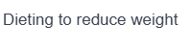
A, D: diet or weight puns on 'bread'.
B: a risky position is 'on the line' or 'on thin ice'.
C: boredom is unrelated.

Answer: E

Practise these in the Arena

Take timed tests built around MBA CET topics and see where you stand.

Open the Arena